

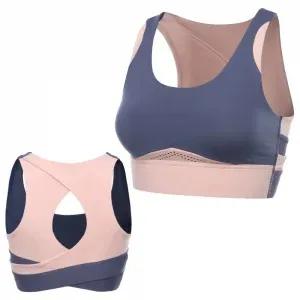
activewear bra
Sports bras have become an essential part of modern activewear. Whether for running, gym training, yoga, or team sports, a well-designed sports bra provides support, comfort, and confidence. One of the most debated design features in sports bras is padding. Brands and consumers often choose between removable padding and built-in padding, each offering different benefits depending on performance needs and user preference.
Today, the global fitness apparel market is evolving rapidly, and many sportswear apparel manufacturers are focusing on innovation in sports bra construction to enhance both functionality and comfort. Understanding the difference between these two padding options helps brands make better design decisions and helps consumers select the right product for their workouts.
This guide explores removable padding and built-in padding in sports bras, highlighting their advantages, drawbacks, and ideal use cases.
The Role of Padding in Sports Bras
Padding in sports bras serves multiple purposes. It improves shape, adds modesty, enhances support, and can even contribute to moisture management and comfort. Many athletes prefer padded sports bras because they offer better coverage and a smoother appearance under activewear.
Manufacturers design padding with lightweight foam, molded cups, or breathable inserts to ensure comfort during intense physical activity. With the increasing demand for performance-based apparel, brands often collaborate with sports bra supplier networks and global production partners to create designs that meet athlete expectations.
As fitness trends grow worldwide, suppliers and gym wear wholesale suppliers continue to innovate in sports bra technology to meet consumer demand for both style and functionality.

Removable Padding Sports Bras
Removable padding is one of the most common design options found in modern sports bras. These bras include small foam pads inserted inside inner pockets, allowing the wearer to remove or adjust them as needed.
Flexibility and Customization
The main advantage of removable padding is flexibility. Users can decide whether they want extra shaping or prefer a more natural feel. This customization makes removable padding ideal for individuals who prefer adjustable support depending on the activity.
For example, during high-intensity workouts such as running or HIIT training, many athletes prefer additional structure. During yoga or stretching sessions, they may remove the pads for greater comfort.
Because of this versatility, removable padding is widely produced by sportswear apparel manufacturers that focus on performance-based activewear.
Easy Maintenance
Another benefit of removable padding is easier washing and drying. Pads can be removed before laundering, allowing the fabric to dry faster and preventing foam deformation.
This is especially helpful for people who frequently train or need to wash sportswear regularly.
Lightweight Feel
Some athletes prefer removable pads because they allow a lighter feel. If the padding feels unnecessary for certain workouts, the user can simply remove it without changing the entire bra.
Potential Drawbacks
Despite their flexibility, removable pads can shift or fold during washing or workouts. Repositioning them can sometimes be inconvenient. Additionally, if the pads are lost, the bra may not provide the same shape or coverage.
For brands working with a custom streetwear manufacturer, ensuring that pad pockets are designed properly can minimize these issues and improve the user experience.
Built-In Padding Sports Bras
Built-in padding is permanently sewn into the sports bra during manufacturing. The padding is integrated into molded cups or layered fabric panels to create a stable structure.

Consistent Shape and Support
One of the biggest advantages of built-in padding is stability. Since the padding cannot move or shift, it maintains its shape during workouts and after washing.
This makes built-in padding especially suitable for high-impact sports where reliable support is essential.
Athletes who participate in running, CrossFit, or intense gym sessions often prefer bras with integrated padding because they provide a more secure fit.
Durability
Sports bras with built-in padding tend to be more durable. Because the padding is stitched directly into the bra, there is less risk of losing inserts or experiencing shifting foam.
Manufacturers working with large-scale distribution networks, including gym wear wholesale suppliers, often recommend built-in padding for customers who prioritize long-term performance.
Professional Aesthetic
Built-in padded sports bras usually provide a smoother, more structured look. This makes them popular not only for workouts but also for athleisure outfits.
Many brands now design sports bras that double as fashion pieces, combining performance materials with stylish silhouettes.
Companies involved in global apparel trade, including a wholesale clothing exporter in Pakistan, often manufacture built-in padded sports bras for international brands seeking consistent quality and appearance.
Potential Limitations
Although built-in padding offers durability, it lacks customization. Users cannot remove or adjust the padding, which may not suit everyone's preference.
Additionally, some built-in padded bras may take longer to dry after washing because the foam layer remains inside the garment.
Comfort Considerations
Comfort is a top priority in sports bra design. Padding should never restrict movement or create pressure points during physical activity.
Both removable and built-in padding can be comfortable when designed correctly. Factors such as fabric stretch, breathability, and strap support also play significant roles.
Leading sports bra supplier companies focus on advanced materials such as moisture-wicking fabrics, breathable mesh panels, and seamless construction to improve overall comfort.
When paired with proper padding design, these materials create sports bras that support athletes without compromising flexibility.
Performance and Activity Level
The choice between removable and built-in padding often depends on the type of activity.
Low-impact workouts such as yoga or Pilates typically work well with removable padding because they prioritize flexibility and lightweight comfort.
Medium-impact activities like cycling or strength training can benefit from either option depending on personal preference.
High-impact sports such as running or competitive training often perform better with built-in padding due to its stability and consistent support.
Many brands collaborate with sportswear apparel manufacturers to test their products across different sports environments to ensure optimal performance.
Design Trends in Sports Bra Manufacturing
The sports bra market continues to evolve with new design trends and technological advancements.
Modern sports bras now feature molded cups, seamless knitting, compression fabrics, and eco-friendly materials. Brands also focus on sustainability and ethical production as consumers become more environmentally conscious.
Production partners such as gym wear wholesale suppliers and global apparel factories continue to innovate by combining comfort-focused designs with advanced fabric technologies.
Meanwhile, fashion-forward labels working with a custom streetwear manufacturer often incorporate sports bras into everyday streetwear collections, blurring the line between activewear and lifestyle apparel.
These trends show how sports bras are no longer limited to athletic performance but have become an essential part of contemporary fashion.
Choosing the Right Padding Option
When selecting between removable and built-in padding, several factors should be considered.
Personal comfort is one of the most important elements. Some users enjoy the flexibility of removable pads, while others prefer the consistent structure of built-in padding.
Workout intensity also matters. High-impact training often benefits from the stability of built-in cups, while lighter activities allow more freedom with removable padding.
Maintenance preferences are another consideration. Those who wash their sports bras frequently may appreciate the faster drying time of removable pads.
Manufacturing partnerships can also influence design decisions. Businesses sourcing from a wholesale clothing exporter in pakistan often choose padding styles based on their target market and brand identity.
The Future of Sports Bra Padding
As sportswear technology continues to advance, padding options will likely become even more sophisticated. Innovations such as breathable foam, 3D molded cups, and adaptive fabrics are already shaping the future of sports bra design.
Brands are also exploring sustainable materials and recyclable padding to reduce environmental impact.
With the growing demand for activewear worldwide, collaboration between brands, designers, and sportswear apparel manufacturers will continue to drive innovation in sports bra construction.
Ultimately, the goal is to provide athletes and fitness enthusiasts with products that deliver comfort, performance, and style in every workout.