

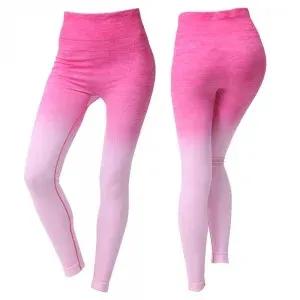
leggings
In today’s activewear market, performance leggings have evolved far beyond basic stretch garments. Athletes and fitness enthusiasts now expect apparel that not only fits well but also enhances comfort, regulates temperature, and supports peak performance. One of the most transformative innovations in this space is the development of cooling yarn technologies.
These advanced yarns are engineered to manage heat, wick moisture, and improve breathability, making them essential in modern leggings. As competition intensifies, sports wear manufacturer companies are investing heavily in textile innovation to meet the growing demand for high-performance apparel.
What Are Cooling Yarn Technologies?
Cooling yarn technologies refer to specially engineered fibers designed to regulate body temperature by enhancing heat dissipation and moisture management. Unlike traditional fabrics, these yarns interact with the body’s microclimate, helping to keep the wearer cool and dry during intense physical activity.
They can be created using a variety of methods, including fiber cross-section engineering, chemical treatments, and the integration of natural or synthetic cooling agents. Many custom leggings manufacturer businesses rely on these technologies to produce garments that meet both performance and comfort expectations.
Why Cooling Matters in Performance Leggings
Leggings are one of the most widely used garments in fitness, yoga, running, and everyday athleisure. Due to their close fit, they can trap heat and moisture if not designed properly.
Cooling yarns address these challenges by:
Promoting rapid moisture evaporation
Enhancing airflow within the fabric
Reducing skin temperature during workouts
Minimizing discomfort caused by sweat buildup
For active individuals, these benefits translate into better endurance, improved focus, and a more enjoyable workout experience. This is why gym wear vendors are increasingly prioritizing cooling features in their product lines.

Types of Cooling Yarn Technologies
The effectiveness of cooling leggings depends largely on the type of yarn technology used. Each approach offers unique advantages and is suited to different performance needs.
1. Moisture-Wicking Yarns
Moisture-wicking yarns are designed to pull sweat away from the skin and distribute it across the fabric surface, where it can evaporate quickly. This helps maintain dryness and prevents overheating.
These yarns are commonly used by sports wear manufacturer companies to create leggings suitable for high-intensity workouts and outdoor activities.
2. Phase Change Materials (PCM)
Phase Change Materials are embedded into fibers to absorb, store, and release heat as needed. When the body temperature rises, the material absorbs excess heat, creating a cooling effect.
This technology is particularly useful for maintaining a stable body temperature during prolonged physical activity.
3. Cooling Mineral-Infused Yarns
Some yarns incorporate natural minerals such as jade or volcanic sand, which have inherent cooling properties. These minerals enhance thermal conductivity, allowing heat to dissipate more efficiently.
Many pakistan clothing manufacturers are adopting mineral-infused yarns to produce premium activewear with enhanced cooling capabilities.
4. Engineered Cross-Section Fibers
The shape of a fiber can significantly impact its performance. Fibers with unique cross-sections—such as multi-channel or hollow designs—improve moisture transport and օդ airflow.
This structural innovation allows leggings to remain lightweight while delivering superior cooling performance.
5. Chemical Cooling Treatments
Certain fabrics are treated with cooling finishes that create a refreshing sensation when they come into contact with moisture. While these treatments may not last as long as inherent yarn technologies, they provide an immediate cooling effect.
Fabric Construction and Its Role in Cooling
While yarn technology is crucial, fabric construction also plays a significant role in determining how effectively a garment cools the body.
Knitting techniques such as warp knit and circular knit can influence breathability and stretch. Open-knit structures allow more air to pass through the fabric, enhancing ventilation.
A streetwear manufacturer entering the activewear segment often combines innovative yarns with modern knitting techniques to create leggings that are both stylish and functional.
Benefits of Cooling Yarn Technologies in Leggings
Cooling yarn technologies offer a range of benefits that go beyond temperature regulation. These advantages make them a preferred choice for both athletes and everyday users.
Enhanced Comfort
By reducing heat and moisture buildup, cooling yarns create a more comfortable wearing experience, even during intense workouts.
Improved Performance
Maintaining an optimal body temperature helps reduce fatigue and allows athletes to perform at their best for longer periods.
Odor Control
Many cooling yarns also have antimicrobial properties, which help prevent odor caused by sweat and bacteria.
Lightweight Feel
Advanced yarn technologies enable the creation of lightweight fabrics that do not compromise on durability or support.
Versatility
Cooling leggings are suitable for a wide range of activities, from gym training to outdoor sports and casual wear.
Design Considerations for Performance Leggings
Designing leggings with cooling yarn technologies requires careful planning and attention to detail. Manufacturers must consider factors such as fit, stretch, and durability.
A custom leggings manufacturer typically focuses on:
Strategic panel placement for ventilation
Seamless construction to reduce irritation
Compression zones for muscle support
Waistband design for comfort and stability
By combining these elements with advanced yarns, manufacturers can create leggings that meet the demands of modern consumers.
Sustainability and Cooling Technologies
Sustainability is becoming a key focus in the activewear industry. Many brands are exploring eco-friendly cooling yarns made from recycled materials or biodegradable fibers.
pakistan clothing manufacturers are increasingly adopting sustainable practices, including the use of recycled polyester and water-efficient production methods. These efforts not only reduce environmental impact but also appeal to environmentally conscious consumers.
Cooling technologies contribute to sustainability by improving garment efficiency, reducing the need for multiple layers, and extending the lifespan of activewear.
The Role of Innovation in Activewear Manufacturing
Innovation is at the heart of cooling yarn technologies. As consumer expectations continue to evolve, manufacturers must stay ahead by investing in research and development.
A forward-thinking sports wear manufacturer focuses on integrating new materials, testing performance under real-world conditions, and refining designs based on feedback.
Similarly, gym wear vendors play a crucial role in bringing these innovations to market, ensuring that customers have access to the latest advancements in activewear.

Future Trends in Cooling Yarn Technologies
The future of performance leggings is set to be even more dynamic, with emerging technologies pushing the boundaries of what is possible.
Smart Textiles
Smart fabrics capable of responding to body temperature and environmental conditions are expected to become more prevalent.
Nanotechnology
Nanofibers and coatings can enhance cooling efficiency at a microscopic level, improving overall performance.
Hybrid Yarns
Combining multiple cooling technologies into a single yarn can deliver enhanced results, offering both immediate and long-term cooling effects.
A streetwear manufacturer exploring these innovations can create products that bridge the gap between fashion and performance.